 INR (₹)
 USD ($)
Your website is the front desk of your property long before a guest ever arrives. In a world where travellers research, compare, and book almost entirely online, the design and functionality of your website decide whether a browsing visitor becomes a paying guest or bounces to a competitor two clicks away. That is exactly why the theme you build on matters so much. A well-chosen hotel and travel WordPress theme does far more than look pretty on a screenshot; it turns curiosity into confirmed reservations, showcases your rooms and destinations in their best light, and quietly handles the complex machinery of availability, pricing, and payments behind the scenes.
This guide is written for property owners, marketers, agencies, and developers who want to make a confident, informed decision. Whether you run a single boutique inn, a sprawling beachfront resort, a portfolio of vacation rentals, or a travel agency selling curated tours, the right foundation saves you money, headaches, and lost bookings. Below you will find everything you need to evaluate the best hotel and travel WordPress themes: the features that genuinely matter, the use cases they serve, a practical method for choosing, and an honest look at how the GPL model lets you access premium tools for a fraction of the usual cost.
Why Choosing the Right Hotel & Travel Theme Matters
Hospitality is a uniquely demanding industry to sell online. Unlike a shop that lists physical products at fixed prices, a hotel sells time-bound inventory that changes minute by minute. A room booked for the weekend cannot be sold twice, rates fluctuate by season and demand, and a single double booking can damage your reputation permanently. The theme you choose has to understand this reality, not just decorate around it.
Consider the stakes. Industry data consistently shows that a large share of travellers abandon a booking when the process feels slow, confusing, or untrustworthy. Every extra second of load time, every clumsy form field, and every moment of doubt about security chips away at your conversion rate. A theme built specifically for hotels and travel removes friction at each of these points. It presents a clear, reassuring path from inspiration to reservation, and it does so on the small screen where most travel research now happens.
There is also a brand dimension. Hospitality is an emotional purchase. Guests are not merely buying a bed; they are buying an experience, a feeling, an escape. Your website has to evoke that promise through imagery, tone, and flow. A generic corporate template cannot do this. A purpose-built hotel and travel theme gives you the visual language of the industry: full-bleed hero photography, elegant typography, room galleries, testimonial sections, and destination showcases that make a visitor want to be there.
The best hotel website is invisible. Guests remember the property and the stay, never the mechanics of how they booked. Your theme's job is to make the reservation feel effortless and the destination feel irresistible.
Finally, there is the cost of getting it wrong. Migrating a live hotel site from a poorly chosen theme is painful. You risk broken booking links, lost SEO rankings, and downtime during peak season. Investing time in the right decision now protects you from expensive rebuilds later. This is a foundation you will live with for years, so it deserves careful thought.
Key Features to Look For
Not all attractive themes are capable themes. When you strip away the marketing screenshots, a hotel and travel theme has to deliver on a specific set of functional pillars. Here is what separates a genuinely useful theme from a good-looking placeholder.
Built-in or Compatible Booking Engine
This is the single most important feature. A hotel theme without a reliable reservation system is just a brochure. Look for themes that either bundle a mature booking plugin or integrate cleanly with the leading engines in the WordPress ecosystem, such as Hotel Booking, WooCommerce Bookings, or well-known reservation add-ons. The booking flow should let a visitor check availability, choose dates, select a room type, add extras, and pay, all without leaving your site. Direct bookings avoid the hefty commissions that online travel agencies charge, so every reservation captured on your own domain is money kept in your pocket.
Room and Rate Management
Behind the front-end lies the inventory. Your theme should support flexible room or accommodation types, each with its own gallery, description, amenities list, occupancy limits, and pricing rules. The best systems handle seasonal rates, weekend surcharges, minimum-stay requirements, and special-offer discounts. If you run a travel agency rather than a property, the equivalent is package and tour management: itineraries, departure dates, group sizes, and per-person pricing.
Real-Time Availability Calendars
Guests want certainty. A visual availability calendar that shows open and blocked dates at a glance builds trust and reduces support enquiries. Real-time synchronisation matters even more if you also list on external platforms; two-way calendar sync through the iCal standard prevents the nightmare of double bookings across channels. Confirm that the theme's booking layer supports this before you commit.
Payment Gateways and Deposits
Frictionless payment is the finish line of every booking. The theme should support popular gateways such as Stripe, PayPal, and regional processors, along with the option to take a partial deposit or a full prepayment. For international properties, multi-currency display and secure card handling are non-negotiable. A guest who reaches the payment step and finds their preferred method missing will simply leave.
Photography-First, Immersive Design
Travel sells on visuals. Your theme must treat large, high-quality imagery as a first-class citizen rather than an afterthought. Look for full-width hero sections, sliders, masonry galleries, video backgrounds, and lightbox viewers that let stunning photography breathe. At the same time, the design should stay clean and uncluttered so the eye is drawn to the rooms, the views, and the call-to-action buttons.
Speed and Core Web Vitals
Beautiful imagery and fast loading can coexist, but only with disciplined engineering. A bloated theme that ships megabytes of unused code will drag your Core Web Vitals down, hurt your Google rankings, and frustrate mobile users on hotel Wi-Fi or spotty mobile data. Favour themes that are optimised for performance, support lazy loading, and produce lean, standards-compliant markup. Test a demo through a page-speed tool before you decide.
Mobile-First Responsiveness
The majority of travel research and a growing share of bookings now happen on phones. A theme that merely shrinks to fit a small screen is not enough; the booking form, the calendar, the gallery, and the navigation all need to be genuinely usable with a thumb. Test the full reservation journey on an actual phone, not just a desktop preview, before you trust a theme with your business.
SEO and Local Discovery
A hotel lives and dies by discoverability. Your theme should produce clean, semantic HTML, support schema markup for hotels and local businesses, and play nicely with popular SEO plugins. Structured data helps search engines display rich results, such as star ratings and price ranges, directly in search listings. Combined with well-organised location and attraction pages, this drives the high-intent local traffic that converts best.
Multilingual and Multi-Currency Support
Travel is inherently international. If you attract guests from abroad, the ability to present your site in multiple languages and currencies dramatically widens your market. Confirm that the theme is translation-ready and compatible with tools like WPML or Polylang, and that its booking layer can display prices in a visitor's home currency.
Top Use Cases: Who Needs a Hotel & Travel Theme
The label "hotel and travel theme" covers a surprisingly wide range of businesses. Understanding which category you fall into helps you filter the options and prioritise the features that matter most for your model.
Independent and Boutique Hotels
Smaller properties compete against global chains with deep marketing budgets, so a distinctive, characterful website is their sharpest weapon. Boutique hotels benefit most from themes that emphasise storytelling, atmosphere, and a strong sense of place, backed by a direct-booking engine that lets them keep the margins that would otherwise go to intermediaries.
Resorts and Spa Retreats
Larger resorts sell more than rooms; they sell experiences, dining, wellness, and activities. They need themes that can showcase multiple facilities, package deals, and add-on services, with a booking flow flexible enough to bundle a room with a spa treatment or a dining credit. Rich media and elegant, spacious layouts suit the aspirational nature of this segment.
Bed & Breakfasts, Guesthouses, and Homestays
These intimate properties thrive on personality and reviews. A lighter, warmer theme with an easy booking form, a prominent testimonials section, and a genuine sense of hospitality tends to outperform anything corporate. Simplicity is a virtue here; owners often manage the site themselves, so ease of use matters as much as looks.
Vacation Rentals and Villas
Owners of holiday homes, apartments, and villas need themes tuned for single-property or small-portfolio presentation. Detailed amenity lists, floor plans, neighbourhood guides, and a clear nightly-rate calendar are the priorities. Two-way calendar sync is especially valuable for this group, since many also list on external marketplaces.
Travel Agencies and Tour Operators
For businesses selling tours, packages, and itineraries rather than beds, the equivalent theme is built around trip listings, departure schedules, destination pages, and per-person booking. These themes lean heavily on inspirational photography and clear pricing, and they benefit from strong filtering so visitors can find a trip by destination, duration, or budget.
Hostels and Budget Accommodation
Hostels sell beds by the night in shared and private rooms, often to a young, mobile-first, price-sensitive audience. They need fast, clean themes with straightforward booking, dorm-versus-private options, and a social, energetic tone that reflects the experience they offer.
Beyond the Booking: Features That Grow Revenue
A great theme does more than capture the reservation a guest already intended to make. The best ones actively lift your average booking value and turn one-time visitors into repeat guests. As you compare options, look for the growth-oriented touches that separate a merely functional site from a genuinely profitable one.
Upsells and Add-On Services
The moment of booking is your best chance to increase revenue. A theme whose booking flow can offer relevant extras, such as airport transfers, breakfast, late checkout, spa credits, or guided excursions, gently raises the value of each reservation without any hard selling. Presented as helpful options rather than pushy prompts, these add-ons improve both your margins and the guest experience.
Special Offers and Coupon Codes
Seasonal promotions, last-minute deals, and loyalty discounts are powerful tools for filling rooms during quiet periods. Choose a theme and booking layer that let you create coupon codes, highlight limited-time offers on the homepage, and set up package deals. The ability to run a targeted promotion in minutes, rather than waiting on a developer, keeps you nimble in a competitive market.
Reviews, Trust Signals, and Social Proof
Travellers trust other travellers. A theme that showcases guest reviews, star ratings, awards, and recognisable trust badges reassures hesitant visitors at the exact moment they are deciding to commit. Prominent testimonials near the booking button can measurably lift conversions, so make sure your chosen design gives social proof a place of honour.
Email Capture and Marketing Integrations
Not every visitor is ready to book today, but many are happy to hear about future offers. A theme that integrates with popular email marketing tools lets you capture newsletter sign-ups, recover abandoned bookings, and nurture past guests into return stays. Over time, an owned audience of subscribers becomes one of your most valuable and cost-effective marketing channels.
Location, Attractions, and Content Pages
Guests choose a destination as much as a property. Themes that make it easy to build rich location guides, nearby-attraction pages, and travel blog content help you rank for the searches guests actually type, and they position your property as a knowledgeable local host. This content marketing foundation pays dividends in organic traffic long after launch.
Hosting and Maintenance: The Other Half of Performance
Even the finest theme cannot outrun poor hosting. Since your website processes live bookings and payments, reliability and speed at the server level are just as important as the code you build on. Choose quality managed WordPress hosting with solid uptime, and pair it with a caching solution and a content delivery network so your imagery loads quickly for guests wherever they are in the world. Keep WordPress core, your theme, and your plugins updated on a staging copy first, take automated backups, and use a security plugin to guard the sensitive guest data you handle. A theme is a foundation, not a finished house; ongoing care keeps it fast, safe, and dependable through every peak season.
How to Choose the Best Hotel & Travel Theme
With hundreds of options on the market, a structured approach beats endless browsing. Work through the following steps and you will narrow the field to a handful of strong candidates quickly.
Start with your model, not the design. Before you fall for a demo, write down exactly what you sell: nightly rooms, multi-night packages, tours, or a mix. List the must-have features that model requires, such as deposit payments or two-way calendar sync. This list becomes your filter, and it stops you from being seduced by a gorgeous theme that cannot actually run your business.
Test the live demo like a real guest. Do not just admire the homepage. Walk the entire booking journey on the demo: select dates, choose a room, add an extra, reach the payment step. Do it on your phone. Note every moment of confusion or friction. If the demo frustrates you, it will frustrate your guests.
Check the underlying booking system. Find out which reservation plugin the theme relies on and research it independently. A beautiful theme wrapped around an abandoned or fragile booking plugin is a liability. Prefer themes built on well-supported, actively maintained systems with a track record.
Measure performance. Run the demo through a page-speed and Core Web Vitals tool. A theme that scores poorly out of the box, before you have added your own heavy images, will only get slower in production. Speed is both a ranking factor and a conversion factor, so treat it as a hard requirement.
Verify support and updates. WordPress, its plugins, and PHP itself evolve constantly. A theme that has not been updated in a year is a security and compatibility risk. Look for evidence of regular updates, clear documentation, and a responsive support channel. This matters even more for a live hotel that cannot afford downtime.
Confirm customisation freedom. Your brand is unique, so your theme should bend to it. Check that you can change colours, fonts, layouts, and section order without touching code, ideally through a live customiser or a modern block editor. The more you can adjust visually, the less you will depend on a developer for every tweak.
Free vs Premium and the GPL Advantage
One of the first questions every buyer asks is whether to use a free theme or invest in a premium one. Both have a place, and understanding the trade-offs, along with the GPL licensing model, helps you spend wisely.
Free themes are a reasonable starting point for learning WordPress or for the simplest brochure sites. However, they typically offer limited features, minimal support, infrequent updates, and shallow customisation. For a real hospitality business handling live reservations and payments, these limitations become costly fast. A missing feature or an unpatched vulnerability on a booking site is not a minor inconvenience; it can mean lost revenue or exposed guest data.
Premium themes solve this. They bundle advanced booking functionality, richer designs, deeper customisation, documentation, and ongoing updates. The catch, when bought directly from original authors, is the price, especially once you factor in the premium plugins that many hotel themes depend on. A complete stack of theme plus booking engine plus complementary plugins can run into hundreds of dollars every single year, renewed annually, per site.
This is where the GPL model changes the economics entirely. Almost all WordPress themes and plugins are released under the General Public License, the same open-source licence that WordPress itself uses. The GPL grants you the freedom to use, study, modify, and redistribute the software. In practical terms, that means when you obtain a GPL-licensed premium theme, you receive the genuine, fully functional product, and you are legally free to install it on as many of your own sites as you like, with no artificial per-site activation limits.
The GPL is not a loophole; it is the foundation of the entire WordPress ecosystem. The same freedoms that let WordPress grow into the world's most popular platform apply to the themes and plugins built on top of it.
At ThemesPluginHub, this is exactly the advantage we pass on to you. We offer premium, GPL-licensed hotel and travel themes and plugins at a tiny fraction of their original list price, with the same files and the same functionality. You get unlimited use across your own projects, you avoid the annual per-site renewal treadmill, and you keep more of your budget for marketing and the guest experience that actually grows your business.
It is worth being clear about what GPL access does and does not include. You receive the real, working product and the freedom to use it broadly. What varies between sources is direct author support and automatic update delivery, which is why choosing a reputable GPL provider that keeps its library current and well-organised matters. When you weigh a modest, transparent cost against hundreds saved every year, the value proposition for a growing hospitality business is compelling.
| Consideration | Free Theme | Premium (Author Direct) | Premium (GPL via ThemesPluginHub) |
|---|---|---|---|
| Upfront cost | None | High, per year | Low, huge saving |
| Booking features | Basic or none | Full featured | Full featured |
| Number of sites | Usually unlimited | Often limited by licence | Unlimited (GPL freedom) |
| Design quality | Generic | Professional | Professional |
| Updates | Rare | Included while subscribed | Provided by the library |
| Best for | Learning, hobby sites | Enterprises with big budgets | Growing hospitality businesses |
Your Hotel & Travel Theme Buyer's Checklist
Print this list or keep it open in a tab while you evaluate candidates. If a theme cannot tick most of these boxes, keep looking.
- Booking engine included or clearly compatible with a mature, actively maintained reservation plugin.
- Real-time availability calendar with visual open and blocked dates.
- Two-way iCal sync if you also list on external platforms, to prevent double bookings.
- Flexible room, package, or tour management with per-type pricing, galleries, and amenities.
- Seasonal and dynamic pricing rules, plus support for deposits and partial payments.
- Multiple payment gateways including at least Stripe and PayPal, with secure checkout.
- Genuinely mobile-first design tested through the full booking flow on a real phone.
- Fast loading and strong Core Web Vitals verified on the live demo, not just claimed.
- Photography-forward layouts with hero sections, galleries, and lightboxes.
- SEO-ready markup and schema support for hotels and local businesses.
- Multilingual and multi-currency readiness if you serve international guests.
- Visual customisation of colours, fonts, and layouts without editing code.
- Clear documentation and a track record of regular updates.
- Demo content and one-click import so you can launch quickly.
- Compatibility with your page builder of choice, whether Elementor, Gutenberg blocks, or WPBakery.
Matching Themes to Property Types
Different properties have different priorities. The table below maps common business models to the features that should top your shortlist, so you can focus your search where it counts.
| Property Type | Top Priority | Also Important | Nice to Have |
|---|---|---|---|
| Boutique hotel | Direct booking engine | Brand storytelling design | Loyalty and offers |
| Resort or spa | Multi-service packages | Rich media galleries | Dining and activity add-ons |
| Bed & breakfast | Simple, warm design | Reviews and testimonials | Owner-friendly editing |
| Vacation rental | Calendar sync | Amenity and area guides | Multi-property support |
| Travel agency | Tour and package listings | Destination pages | Advanced search filters |
| Hostel | Fast, clean booking | Dorm vs private options | Social, youthful tone |
Common Mistakes to Avoid
Even experienced buyers stumble in predictable ways. Sidestep these traps and you will save yourself considerable frustration.
Choosing Looks Over Function
The most seductive demo is not always the most capable theme. A stunning homepage means nothing if the booking flow is clumsy or the reservation plugin is weak. Always evaluate function first and let visual appeal be the tie-breaker among functionally solid options, never the deciding factor on its own.
Ignoring Mobile Reality
Building and testing only on a large desktop monitor is a classic error. Since so many guests book on phones, a theme that looks flawless on desktop but cramps the booking form on mobile will quietly bleed reservations. Test on the small screen from day one.
Overloading the Site With Plugins
It is tempting to bolt on a plugin for every idea, but each addition adds weight, potential conflicts, and security surface. Choose a theme that covers your core needs natively, and add extras sparingly. A lean site is a fast site, and a fast site converts and ranks better.
Forgetting About Speed Until Launch
Performance cannot be an afterthought bolted on the night before you go live. A theme that is slow by design will fight you at every turn. Bake speed into the decision by testing the demo early, and keep your own images optimised as you build.
Neglecting SEO Foundations
Many owners assume traffic will simply arrive. Without clean markup, schema, fast loading, and well-structured location content, your beautiful site may never rank. Choose a theme that respects SEO fundamentals and pair it with a solid optimisation plugin from the start.
Skipping the Backup and Staging Habit
Launching directly on your live domain and editing there without backups invites disaster. Always work on a staging copy, take regular backups, and test updates before applying them to your production site, especially during peak booking season when downtime is most expensive.
Assuming All GPL Sources Are Equal
GPL freedom is genuine, but the quality of the provider still matters. A disorganised or rarely updated library can leave you running outdated files. Choose a reputable source that keeps its catalogue current, clearly labelled, and easy to navigate, so you get the real savings without the risk.
Frequently Asked Questions
Do I really need a booking system, or can guests just email me?
You can technically take bookings by email or phone, but you will lose a large share of potential guests who expect to reserve instantly, at any hour, without waiting for a reply. A built-in booking system captures reservations while you sleep, reduces manual errors, and lets you avoid the commissions charged by third-party travel sites. For any serious property, direct online booking pays for itself quickly.
Is a GPL theme legal and safe to use?
Yes. The General Public License is the same open-source licence that WordPress itself uses, and it explicitly grants the freedom to use, modify, and redistribute the software. When you obtain a GPL-licensed premium theme from a reputable provider, you receive the genuine product and are legally free to install it on your own sites. Safety comes down to sourcing from a trustworthy library that keeps its files clean and up to date.
Can one theme handle both a hotel and a travel agency?
Some flexible multipurpose hotel and travel themes do cover both room bookings and tour packages, but the best results usually come from a theme designed around your primary model. If rooms are your core business, prioritise a theme built for accommodation booking. If you sell tours and itineraries, choose one built for trip listings. A theme that tries to do everything sometimes does nothing exceptionally well.
How important is website speed for a hotel site?
Extremely important. Speed affects both your search rankings and your conversion rate directly. Travellers researching on mobile connections will abandon a slow site, and Google factors Core Web Vitals into how it ranks pages. A fast, well-built theme paired with optimised images and reliable hosting is one of the highest-return investments you can make.
Will I need a developer to set up my theme?
For most modern hotel and travel themes, no. They typically include demo content you can import with one click and a visual customiser or block editor for adjusting colours, fonts, and layouts. A developer can help with deep customisation or unusual integrations, but a confident owner can usually get an attractive, functional site live without writing any code.
How do I avoid double bookings across different platforms?
Use a theme whose booking layer supports two-way calendar synchronisation through the iCal standard. This keeps your availability consistent across your own website and any external marketplaces you list on, automatically blocking dates that are booked elsewhere. It is the single most effective safeguard against the reputation-damaging problem of selling the same room twice.
Ready to Welcome Your First Online Guest?
Choosing the right hotel and travel WordPress theme is one of the most consequential decisions you will make for your property or agency, but it does not have to be overwhelming. Anchor your choice in your business model, insist on a solid booking engine, demand real mobile performance, and let genuine, immersive design carry the emotional weight. Do that, and your website will quietly earn its keep every day, converting dreamers into guests and keeping the commissions that would otherwise slip away to intermediaries.
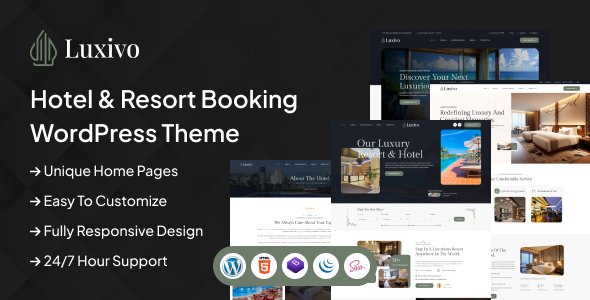
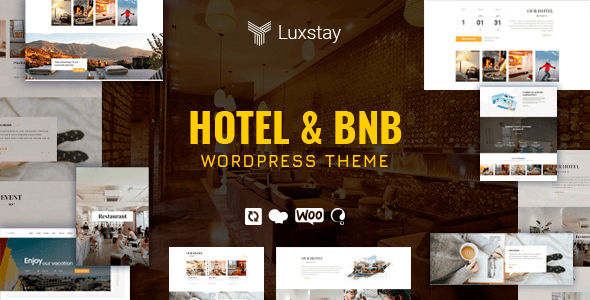
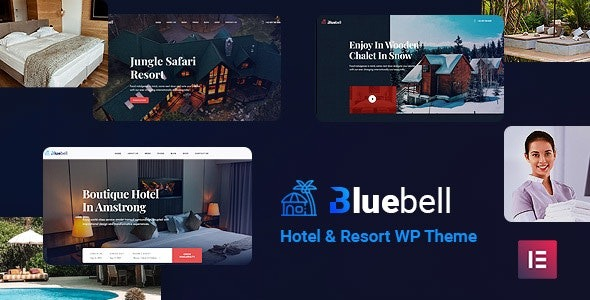
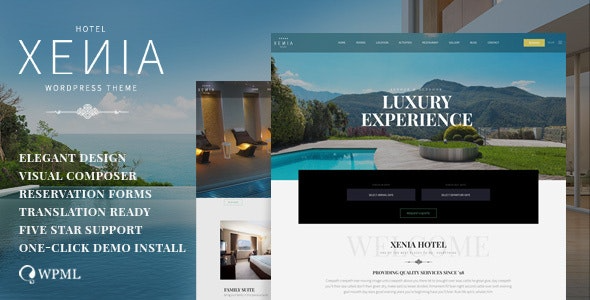
You do not need an enterprise budget to build a website that competes with the biggest names in hospitality. Thanks to the GPL model, the same premium themes and plugins the professionals use are within easy reach. At ThemesPluginHub, we have gathered a curated collection of the best hotel and travel WordPress themes, each ready to import, fully functional, and priced to save you hundreds compared with buying direct. Take a moment to browse our shop and explore the featured designs below to see what suits your property.
If you plan to launch more than one project, or you simply want unlimited access to a growing library of premium themes and plugins at one predictable price, our membership plans deliver outstanding value. Join, download, and start building today, and give your future guests a first impression they will remember long after they check out.